Sunday, 22 February 2026





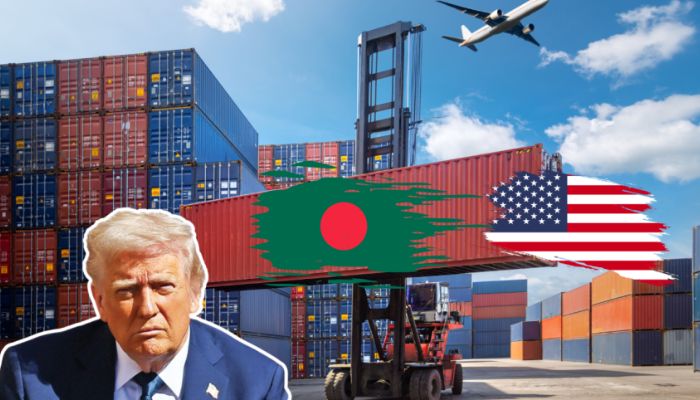
Dhaka needs a measured, patient engagement with the Trump administration over the trade deal, as the legal ground beneath Washington’s tariff policy cracks
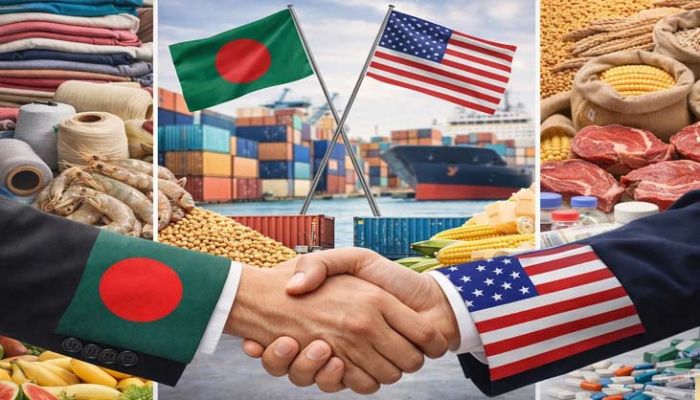
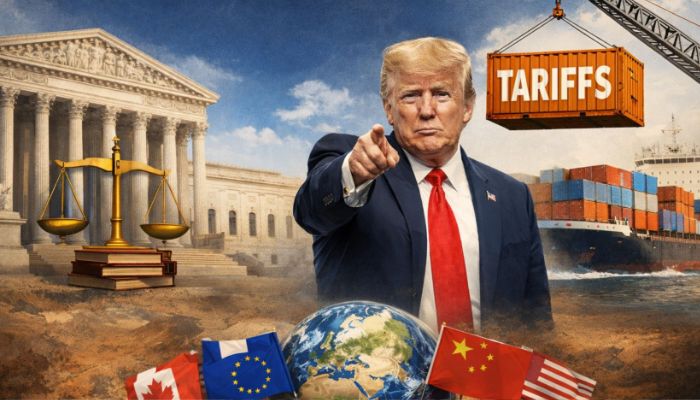
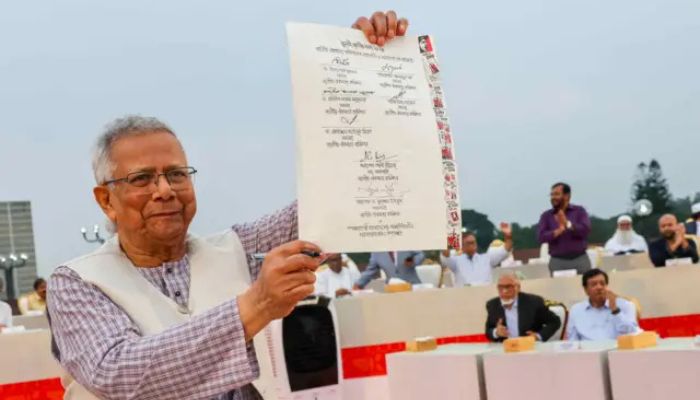
Time is the most valuable currency in global trade. Wise governments spend it carefully. On February 9, however, Bangladesh’s interim administration spent it recklessly. In a rush to secure what it believed was protection from an unpredictable Trumpian world, Dhaka signed a trade agreement just three days before a national election. Eleven days later, the legal foundation of that agreement cracked. The US Supreme Court ruled that the Trump administration had acted unlawfully in using the International Emergency Economic Powers Act to impose reciprocal tariffs. Overnight, the logic behind Bangladesh’s hurried decision weakened, and the deal began to look less like foresight and more like miscalculation.
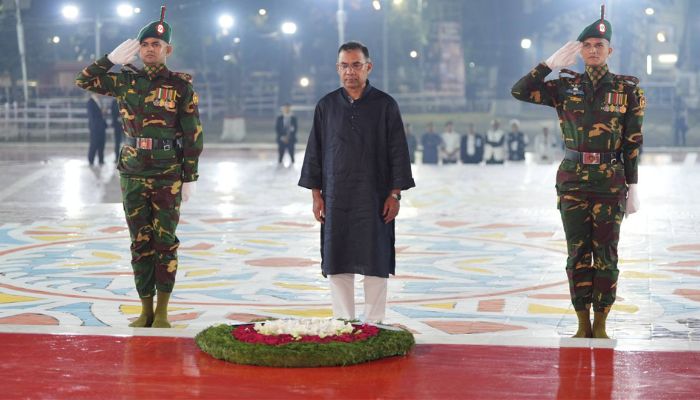
The new government led by Prime Minister Tarique Rahman has inherited a difficult and delicate problem. The agreement signed by the Yunus administration carries heavy economic and political obligations. Foreign Minister Khalilur Rahman, who played a central role in negotiating the pact, must now explain why Bangladesh committed itself so quickly while US courts had already been questioning the legality of the tariff strategy for months. The warning signs were visible, yet they were ignored.
The interim government seemingly acted out of fear -- fear of tariff shocks and fear of unilateral US trade action. It sought a “safe harbour” before February 12. But in diplomacy, especially when negotiating with a far stronger partner, haste is dangerous.
Now, Tarique Rahman’s administration is expected to stabilise the situation without provoking Washington. By indicating a formal review of the agreement after the US Supreme Court ruling, Bangladesh has aligned itself with a growing number of countries reconsidering similar deals. Around the world, governments that rushed into trade arrangements with the United States are reassessing whether they paid too high a price for uncertain protection. Even major economies are proceeding carefully.
Bangladesh, however, faces a tougher position because its commitments are already signed. The greatest risk lies not in tariffs alone but in the non-tariff clauses buried in the agreement. Some provisions restrict Bangladesh’s freedom to engage in digital trade cooperation or nuclear partnerships with countries deemed contrary to US interests. These clauses directly constrain Bangladesh’s foreign policy flexibility. Bangladesh’s predicament closely mirrors that of Indonesia, which also moved swiftly to finalise its agreement, signing the deal just one day before the US court delivered its ruling. Like Dhaka, Jakarta now finds itself locked into commitments shaped by a legal framework that has suddenly shifted, forcing both countries to reassess their positions amid growing uncertainty in global trade.
For Bangladesh, the economic burden is serious. The agreement includes major procurement commitments: a $15 billion energy purchase, orders for 14 Boeing aircraft, and a $3.5 billion agricultural import pledge. These obligations represent a massive fiscal strain for a developing economy. When compared to the likely trajectory of US tariffs -- potentially averaging around 11.4 percent if exemptions remain -- the price Bangladesh agreed to pay appears increasingly disproportionate. What was touted as protection may instead become an expensive overcommitment.
For Bangladesh’s garment industry, the Supreme Court ruling brought short-term relief. The cancellation of the 19 percent reciprocal tariff removed a threat to exporters. But that relief did not last. By raising the global tariff baseline from 10 percent to 15 percent, the White House has made clear that any breathing space will come at a price. What once seemed like the “lesser of two evils” now looks far less manageable, as costs rise again and uncertainty deepens.
The broader legal uncertainty surrounding the trade agreement has created new risks. One of the most attractive features of the February 9 deal—the possibility of duty benefits for garments produced using US cotton—now hangs in doubt. Exporters face a troubling question: have they escaped a high, certain cost only to enter a world of lower but unpredictable risk? With the US administration exploring alternative, legally secure tariff tools, the rules could change again before the next export cycle.
BUY TIME, DON’T RUSH
Bangladesh’s path forward is extremely delicate. Any abrupt attempt to withdraw from commitments could trigger retaliation. Yet blind continuation would lock the country into costly commitments. The challenge is to buy time without provoking confrontation.
Trade analysts have pointed toward a practical solution. The US Supreme Court ruling provides Bangladesh with a legitimate, non-confrontational justification to request a technical pause for the sake of a review. Such a move would shift the discussion away from politics and into the neutral language of compliance and due diligence. It would signal caution, not rejection. Trump’s February 18 letter to Tarique Rahman, urging “decisive action” and praising “tremendous momentum,” carried a veiled warning. Washington expects compliance, not hesitation.
Other countries offer useful lessons. The United Kingdom, despite securing a favourable tariff rate, has adopted a strategy of quiet restraint -- maintaining core benefits while avoiding unnecessary political noise. Malaysia is waiting for clarity before committing. Larger economies such as India and South Korea are studying developments before acting. None are rushing. Bangladesh must do the same.
Time, once lost, cannot be recovered -- but it can still be managed. Bangladesh cannot undo the haste of February 9, but it can prevent further strategic errors.
(ইংরেজি থেকে বাংলায় অনুবাদ)
তাড়াহুড়োর চুক্তি: বাণিজ্যে বাংলাদেশের ঝুঁকিপূর্ণ বাজি
বিশ্ব বাণিজ্যে সময়ই সবচেয়ে মূল্যবান মুদ্রা। বিচক্ষণ সরকারগুলো এই সময়কে অত্যন্ত সতর্কতার সঙ্গে ব্যয় করে। তবে ৯ ফেব্রুয়ারি বাংলাদেশের অন্তর্বর্তী প্রশাসন সে সুযোগটি যেন অবিবেচকের মতো খরচ করেছে।
অপ্রত্যাশিত এক ‘ট্রাম্পীয়’ বৈশ্বিক বাস্তবতা থেকে সুরক্ষা পাওয়ার আশায় জাতীয় নির্বাচনের মাত্র তিন দিন আগে তড়িঘড়ি করে যুক্তরাষ্ট্রের সঙ্গে একটি বাণিজ্য চুক্তি সই করে ঢাকা। অথচ এর মাত্র ১১ দিন পরই সেই চুক্তির আইনি ভিত্তিটিই ভেঙে পড়ে।
মার্কিন সুপ্রিম কোর্ট রায় দেয়, ‘রেসিপ্রোকাল ট্যারিফ’বা পারস্পরিক শুল্ক আরোপে ‘ইন্টারন্যাশনাল ইমার্জেন্সি ইকোনোমিক পাওয়ার্স অ্যাক্ট’ ব্যবহার করে ট্রাম্প প্রশাসন বেআইনি কাজ করেছে। ফলে রাতারাতি বাংলাদেশের সেই তাড়াহুড়ো করে নেওয়া সিদ্ধান্তের পেছনের যুক্তি দুর্বল হয়ে পড়ে এবং চুক্তিটিকে দূরদর্শিতার চেয়ে বরং ভুল হিসাব-নিকাশ বলেই মনে হতে থাকে।
প্রধানমন্ত্রী তারেক রহমানের নেতৃত্বাধীন নতুন সরকার উত্তরাধিকারসূত্রে একটি কঠিন ও সংবেদনশীল সমস্যা পেয়েছে। মুহাম্মদ ইউনূস প্রশাসনের সই করা এই চুক্তিটি বিশাল অর্থনৈতিক ও রাজনৈতিক দায় তৈরি করেছে।
পররাষ্ট্রমন্ত্রী খলিলুর রহমান এই চুক্তির আলোচনায় মুখ্য ভূমিকা পালন করেছিলেন। তাকে এখন ব্যাখ্যা দিতে হবে মার্কিন আদালতে মাসের পর মাস আইনি প্রশ্ন ওঠার পরও কেন বাংলাদেশ এত দ্রুত প্রতিশ্রুতিবদ্ধ হলো। সতর্ক সংকেতগুলো স্পষ্ট ছিল, তবুও সেগুলো উপেক্ষা করা হয়েছে।
অন্তর্বর্তী সরকার মূলত শুল্কের ধাক্কা ও যুক্তরাষ্ট্রের একতরফা বাণিজ্যিক পদক্ষেপের আশঙ্কা থেকেই পদক্ষেপ নিয়েছিল। তারা ১২ ফেব্রুয়ারির আগে একটি ‘নিরাপদ আশ্রয়’ নিশ্চিত করতে চেয়েছিল। কিন্তু কূটনীতিতে, বিশেষ করে শক্তিশালী অংশীদারের সঙ্গে দরকষাকষিতে তাড়াহুড়ো প্রায়ই বিপজ্জনক হয়ে ওঠে।
এখন তারেক রহমান সরকারের সামনে চ্যালেঞ্জ—ওয়াশিংটনকে উত্তেজিত না করেই পরিস্থিতি স্থিতিশীল করা। মার্কিন সুপ্রিম কোর্টের রায়ের পর চুক্তি পর্যালোচনার ইঙ্গিত দিয়ে বাংলাদেশ মূলত সেই দেশগুলোর দলে শামিল হয়েছে, যারা যুক্তরাষ্ট্রের সঙ্গে করা অনুরূপ চুক্তিগুলো নতুন করে বিবেচনা করছে।
বিশ্বজুড়ে বহু দেশই এখন ভাবছে, অনিশ্চিত সুরক্ষার বিনিময়ে তারা কি অতিরিক্ত মূল্য দিয়ে ফেলেছে। বড় অর্থনীতিগুলোও তাই এখন অত্যন্ত সাবধানে এগোচ্ছে।
তবে বাংলাদেশ কঠিন পরিস্থিতির মুখোমুখি কারণ এর প্রতিশ্রুতিগুলোতে ইতোমধ্যে সই করা হয়ে গেছে। সবচেয়ে বড় ঝুঁকিটি কেবল শুল্কের মধ্যে নয়, বরং চুক্তির ভেতরে লুকিয়ে থাকা ‘নন-ট্যারিফ’ বা শুল্ক-বহির্ভূত ধারাগুলো।
কিছু ধারা ডিজিটাল বাণিজ্য বা পারমাণবিক সহযোগিতার ক্ষেত্রে বাংলাদেশের স্বাধীনতাকে খর্ব করে, বিশেষত যুক্তরাষ্ট্রের স্বার্থবিরোধী হিসেবে বিবেচিত দেশগুলোর সঙ্গে। এই ধারাগুলো সরাসরি বাংলাদেশের পররাষ্ট্রনীতির নমনীয়তাকে বাধাগ্রস্ত করছে।
বাংলাদেশের এই দশা অনেকটা ইন্দোনেশিয়ার মতোই, যারা চুক্তির চূড়ান্ত পর্যায়ে খুব দ্রুত এগোচ্ছিল এবং মার্কিন আদালতের রায়ের মাত্র একদিন আগে চুক্তি সই করেছিল।
ঢাকার মতো জাকার্তাও এখন এমন কিছু প্রতিশ্রুতিতে আটকে গেছে যা একটি আইনি কাঠামোর ওপর ভিত্তি করে তৈরি হয়েছিল, কিন্তু সেই কাঠামোটি হঠাৎ বদলে যাওয়ায় বিশ্ব বাণিজ্যের এই অনিশ্চয়তার মাঝে উভয় দেশই এখন তাদের অবস্থান পুনরায় খতিয়ে দেখতে বাধ্য হচ্ছে।
বাংলাদেশের জন্য এই অর্থনৈতিক বোঝাও কম নয়। চুক্তিতে রয়েছে ১৫ বিলিয়ন ডলারের জ্বালানি ক্রয়, ১৪টি বোয়িং উড়োজাহাজ কেনা এবং ৩ দশমিক ৫ বিলিয়ন ডলারের কৃষিপণ্য আমদানির অঙ্গীকার। একটি উন্নয়নশীল অর্থনীতির জন্য এই বাধ্যবাধকতাগুলো বিশাল আর্থিক চাপ তৈরি করে।
সম্ভাব্য মার্কিন শুল্ক যদি ছাড় অব্যাহত থাকলে গড়ে প্রায় ১১ দশমিক ৪ শতাংশে সীমাবদ্ধ থাকে, তাহলে বাংলাদেশ যে মূল্য দিতে রাজি হয়েছে তা ক্রমেই অসম ও অযৌক্তিক মনে হচ্ছে। প্রত্যাশিত ‘সুরক্ষা’ উল্টো ব্যয়বহুল অতিরিক্ত প্রতিশ্রুতিতে পরিণত হতে পারে।
বাংলাদেশের পোশাক শিল্পের জন্য মার্কিন সুপ্রিম কোর্টের এই রায় সাময়িক স্বস্তি নিয়ে এসেছিল। ১৯ শতাংশ পারস্পরিক শুল্ক বাতিল হওয়ায় রপ্তানিকারকদের ওপর থেকে একটি ঝুঁকি কমে গিয়েছিল। কিন্তু সেই স্বস্তি দীর্ঘস্থায়ী হয়নি।
বৈশ্বিক শুল্কের ভিত্তি ১০ শতাংশ থেকে বাড়িয়ে ১৫ শতাংশ করার মাধ্যমে হোয়াইট হাউস স্পষ্ট করে দিয়েছে যে, যেকোনো ধরনের স্বস্তির বিনিময়ে চড়া মূল্য দিতে হবে। একসময় যাকে ‘মন্দের ভালো’ মনে হয়েছিল, খরচ বৃদ্ধি এবং অনিশ্চয়তা ঘনীভূত হওয়ার কারণে তা এখন সামলানো অনেক বেশি কঠিন হয়ে দাঁড়িয়েছে।
বাণিজ্য চুক্তিটি ঘিরে তৈরি হওয়া আইনি অনিশ্চয়তা নতুন ঝুঁকিও সৃষ্টি করেছে। ৯ ফেব্রুয়ারির চুক্তির অন্যতম আকর্ষণীয় দিক ছিল যুক্তরাষ্ট্রের তুলা ব্যবহার করে তৈরি পোশাকে শুল্ক সুবিধার সম্ভাবনা, যা এখন অনিশ্চয়তার মুখে পড়েছে। রপ্তানিকারকদের সামনে এখন প্রশ্ন, তারা কি একটি বড় এবং সুনিশ্চিত খরচ থেকে বাঁচতে গিয়ে এমন এক জগতে প্রবেশ করল যেখানে ঝুঁকি কম হলেও তা অনিশ্চিত?
মার্কিন প্রশাসন যেহেতু বিকল্প এবং আইনিভাবে সুরক্ষিত শুল্ক ব্যবস্থার উপায় খুঁজছে, তাই পরবর্তী রপ্তানি চক্র শুরু হওয়ার আগেই নিয়মগুলো আবারও বদলে যেতে পারে।
সময় নিন, তাড়াহুড়ো করবেন না
বাংলাদেশের সামনের পথটি অত্যন্ত সংবেদনশীল। প্রতিশ্রুতি থেকে সরে আসার যেকোনো আকস্মিক চেষ্টা পাল্টা আঘাত বা প্রতিহিংসা ডেকে আনতে পারে। আবার অন্ধভাবে এটি চালিয়ে যাওয়াও দেশকে অত্যন্ত ব্যয়বহুল প্রতিশ্রুতির জালে আটকে দেবে।
এখন বড় চ্যালেঞ্জ হলো কোনো প্রকার সংঘাত সৃষ্টি না করেই সময় বাড়িয়ে নেওয়া। বাণিজ্য বিশ্লেষকরা একটি ব্যবহারিক সমাধানের দিকে ইঙ্গিত করেছেন।
বিশ্লেষকদের মতে, মার্কিন সুপ্রিম কোর্টের রায় বাংলাদেশের জন্য একটি গ্রহণযোগ্য যুক্তি তৈরি করেছে চুক্তি পর্যালোচনার স্বার্থে ‘টেকনিক্যাল পজ’ (কারিগরি বিরতি) চাওয়ার। এই ধরনের পদক্ষেপ আলোচনাকে রাজনীতি থেকে সরিয়ে ‘কমপ্লায়েন্স’ বা নিয়মতান্ত্রিকতার নিরপেক্ষ ভাষায় নিয়ে আসবে। এটি প্রত্যাখ্যান নয়, বরং সতর্কতার বার্তা দেবে।
তারেক রহমানকে লেখা মার্কিন প্রেসিডেন্ট ডোনাল্ড ট্রাম্পের ১৮ ফেব্রুয়ারির চিঠিতে, যেখানে ‘চূড়ান্ত পদক্ষেপ’ গ্রহণের আহ্বান জানানো হয়েছে এবং ‘দারুণ গতি’র প্রশংসা করা হয়েছে, তাতে মূলত একটি প্রচ্ছন্ন সতর্কবার্তাও ছিল। ওয়াশিংটন শর্ত পালন দেখতে চায়, দ্বিধা নয়।
অন্যান্য দেশগুলো থেকে প্রয়োজনীয় শিক্ষা নেওয়ার সুযোগ রয়েছে। যুক্তরাজ্য সুবিধাজনক শুল্ক হার পাওয়া সত্ত্বেও ‘নীরব সংযম’-এর কৌশল নিয়েছে। তারা অপ্রয়োজনীয় রাজনৈতিক হৈচৈ এড়িয়ে মূল সুবিধাগুলো বজায় রাখছে।
মালয়েশিয়াও কোনো প্রতিশ্রুতি দেওয়ার আগে বিষয়টি স্পষ্ট হওয়ার জন্য অপেক্ষা করছে। ভারত ও দক্ষিণ কোরিয়ার মতো বড় অর্থনীতিগুলো কোনো পদক্ষেপ নেওয়ার আগে পরিস্থিতির উন্নয়ন পর্যবেক্ষণ করছে।
কেউই তাড়াহুড়ো করছে না। বাংলাদেশকেও একই কাজ করতে হবে। সময় একবার হারিয়ে গেলে তা আর ফিরে পাওয়া যায় না। তবে দক্ষ ব্যবস্থাপনায় তার প্রভাব নিয়ন্ত্রণ করা সম্ভব।
বাংলাদেশ ৯ ফেব্রুয়ারির সেই তাড়াহুড়ো করা সিদ্ধান্তকে মুছে ফেলতে পারবে না, তবে ভবিষ্যতে আরও কৌশলগত ভুল হওয়া থেকে নিজেকে রক্ষা করতে পারবে।
News: The daily Star


Editor & Publisher
Dulal Ahmed Chowdhury
www.newsdiplomats.com
The News Diplomats
Cell: +1 (437) 365-4003 & +1 (647) 709-3389
Email: [email protected]
Toronto, Canada.
©২০২৩ সর্বস্বত্ব সংরক্ষিত || The News Diplomats